
Medical Device Certification
Connected Medical Devices: Proactively Preparing for Certification Rather Than Reacting to It
Do you have a medical device in development, and one question keeps coming up in your internal discussions: How much time and money will certification actually cost?
Let’s be blunt: yes, certifying a medical device significantly increases timelines and budgets compared to a non-medical product. This isn’t a scenario to be avoided—it’s a reality of the industry. So the real question isn’t “how to avoid it,” but “how to plan for it”; and that’s where the difference lies between a project that stays on track and one that gets bogged down for two years in administrative back-and-forth.
Why 2026 Is a Bad Time to Improvise
The European Medical Device Regulation (MDR) took effect in 2021, but five years later, its implementation remains a source of tension for the entire sector. Notified bodies (the entities responsible for evaluating and certifying devices) are overwhelmed. As of early 2026, average certification lead times for Class IIb and III devices range from 18 to 24 months. This is not an exception—it has become the norm.
Added to this is a new layer of regulation for devices that incorporate artificial intelligence, which are becoming increasingly common in connected healthcare: the European AI Act automatically classifies these devices as high-risk systems as long as they fall under the MDR, with a specific deadline in August 2027. In practical terms, this means stricter data governance, enhanced traceability of decisions made by the algorithm, and documented human oversight. For a project leader, this means one more requirement to factor into their timeline—ideally before launching the project, not along the way.

What "anticipating" means in practical terms
Planning for certification isn’t just a matter of “thinking about it early on.” It means designing the system—starting with the very first technical decisions—while keeping in mind the evidence a notified body will require. A poorly documented algorithm, an untraced software architecture, or pre-standard compliance tests that were never performed beforehand: these are precisely the issues that, when discovered too late, turn a twelve-month project into a three-year one.
This is where the real groundwork lies—work that is often invisible to a project leader who has never gone through this process: compiling a complete technical dossier—a Design History File, documented software architecture, electronic and mechanical design documentation, IEC 60601 pre-compliance documentation, verification reports, and full design traceability. These are dozens of documents that, when taken together, must tell a coherent story: that of a product rigorously designed, tested, and verified from the first sketch to the market-ready version.
An important distinction: who does what
There is a common misconception that is worth clarifying: supporting the certification process does not mean carrying out the certification yourself. In a medtech project, it is the legal manufacturer of the device—that is, the company that markets it—that remains responsible for submitting the technical dossier to the competent authorities and managing the relationship with notified bodies and testing laboratories.
The role of an engineering firm like Quimesis comes early in the process: to provide all the technical documentation needed to make the project proposal robust and defensible—from design through verification, including traceability for every design decision. This foundational work directly determines how smoothly everything else proceeds.
The Sunrise Case: Anticipation as the Backbone of the Project

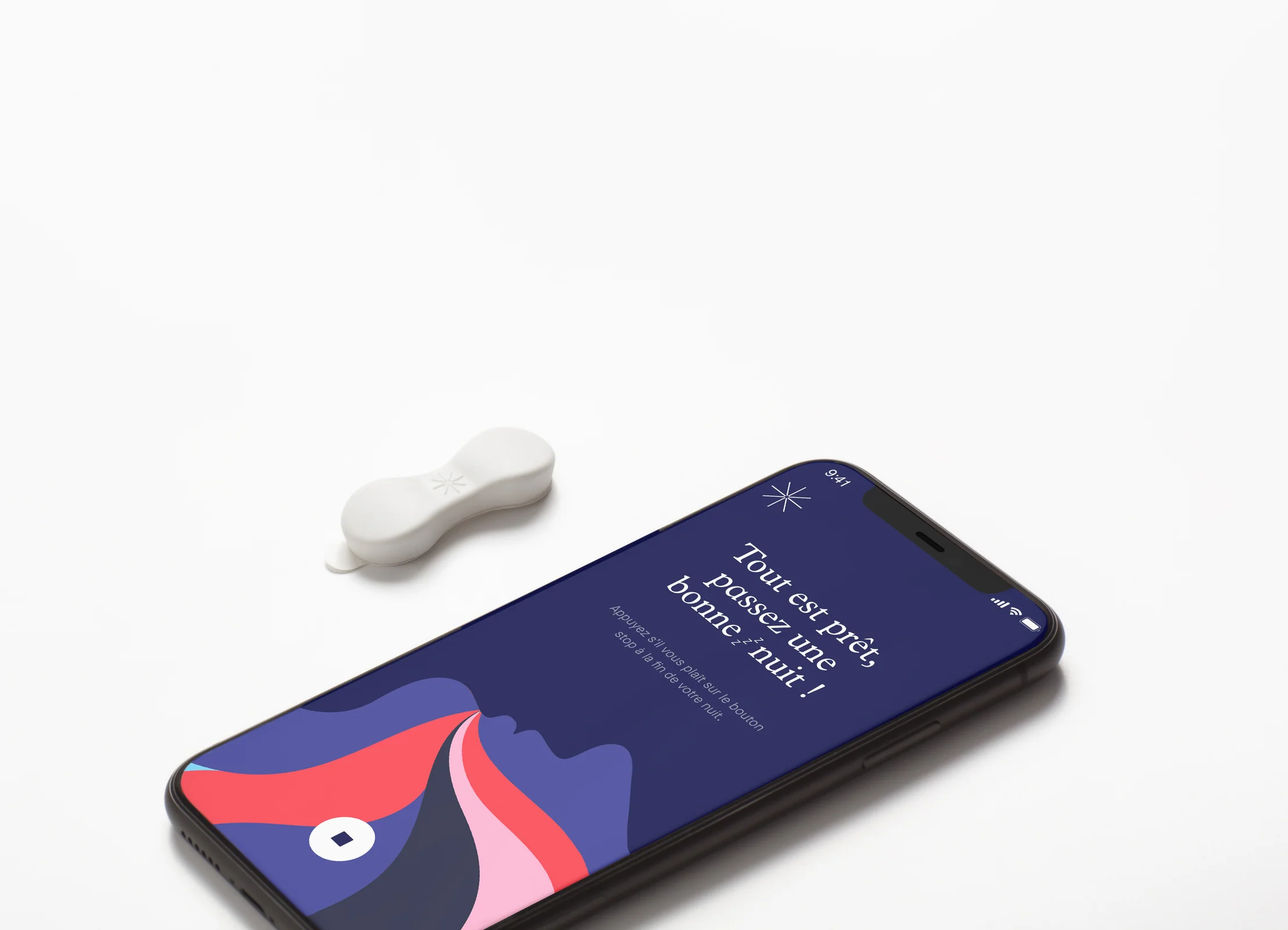
Sunrise is a good example of what this rigor makes possible. The device—a 3-gram mandibular sensor worn on the chin during sleep—was designed to diagnose sleep apnea at home, without the significant inconvenience of spending a night in a sleep lab. An algorithm analyzes the jaw movements recorded overnight to detect breathing abnormalities, with reliability clinically validated in hundreds of patients compared to the gold standard test.
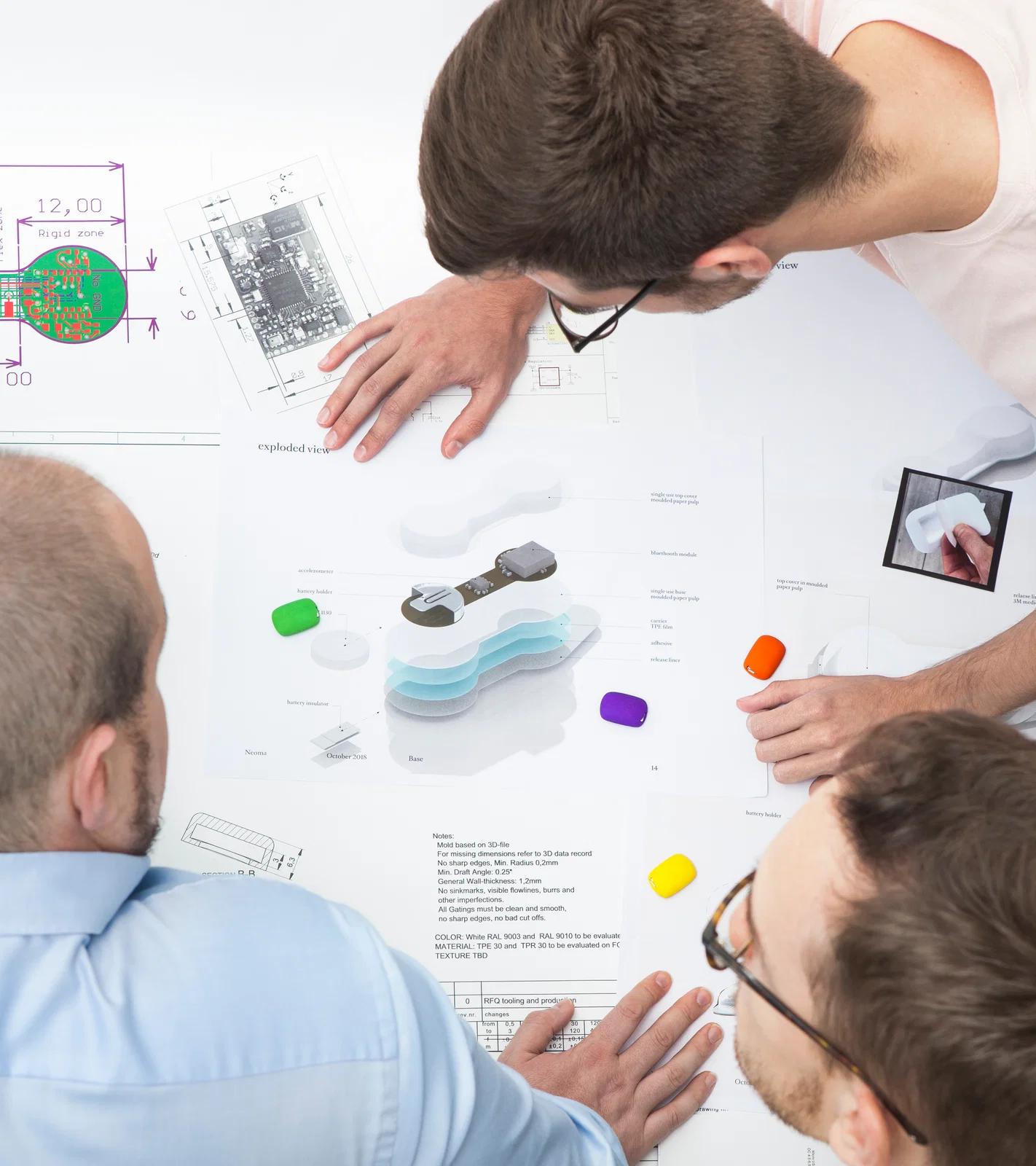
A connected medical device that relies in part on algorithmic analysis of physiological data: this is exactly the type of product where the technical documentation must be rock-solid from the start, rather than pieced together after the fact. Quimesis supported this project by building this documentation base (software architecture, electronic and mechanical design, design traceability) while the Sunrise team itself managed the submission of the application and liaised with the certification bodies. The result: a device that is now CE-certified, clinically validated, and on the market.
Key Takeaways
Certification isn’t a step you go through at the end of a medtech project; it’s part of the project from day one. The project leaders who succeed the most aren’t the ones who avoid regulatory complexity—no one can avoid it—but those who budget for it, plan for it, and build their technical documentation alongside their product development, rather than after it’s complete.
Are you developing a connected medical device and want to avoid any unpleasant surprises when it comes to certification? Let’s discuss this right from the design phase—that’s when planning ahead is most valuable.
Posted on August 27, 2026